By Heather Cummings
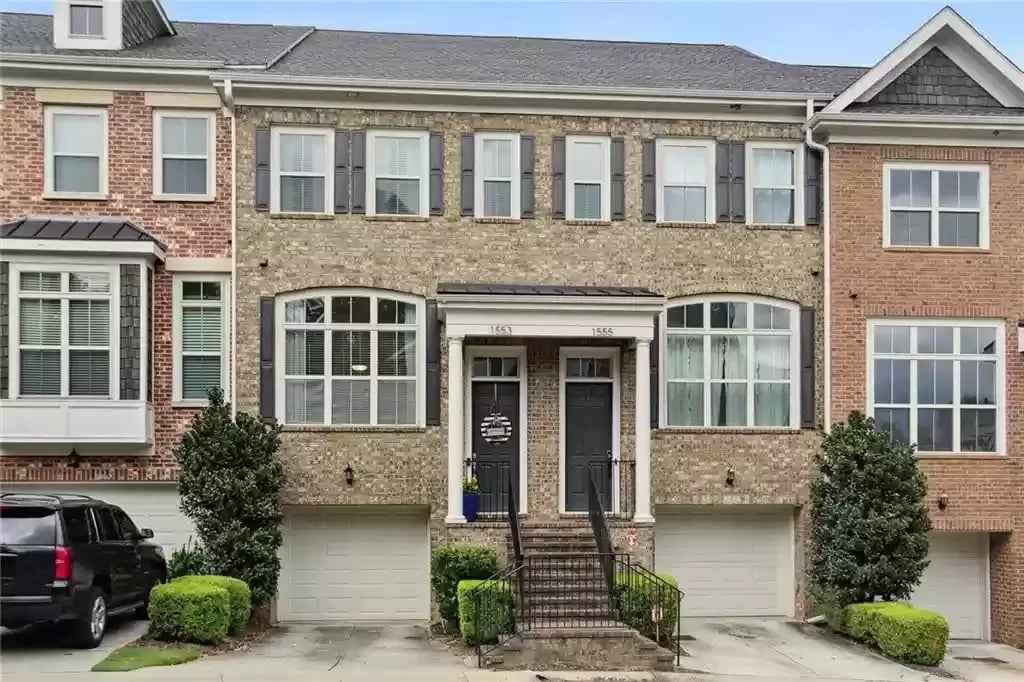
Smaller footprint living has had a real shift in perception, and buyers in Buckhead are reflecting it. The question used to be "how much space can I get?" — now it's "how do I make sure the space I have is exactly right?" Townhomes and well-designed, smaller homes here draw buyers who want a walkable, low-maintenance lifestyle without giving up quality or thoughtful design. Having a background as a licensed interior designer, this is a conversation I love, because making a smaller home feel spacious and beautiful is entirely achievable when you know what you're doing.
Key Takeaways
- Buckhead townhomes and smaller-footprint homes typically offer luxury finishes and a prime address with far less maintenance than a large estate
- Vertical space is the most underused asset in a smaller home; ceiling height, wall storage, and multi-level design all create a sense of scale that square footage alone doesn't
- Furniture selection matters more in a smaller footprint; one oversized piece can make a room feel finished or completely overwhelmed
- Light, continuity of materials, and a clear design intention are what separate a smaller home that feels curated from one that feels cramped
Start With a Floor Plan That Works For You
The foundation of any well-designed smaller home is a floor plan that doesn't fight you. In a larger home, an awkward layout is an inconvenience. In a smaller footprint, it shapes everything: how the space feels, how furniture fits, and whether the home functions the way you actually need it to. Before style decisions come into play, the floor plan has to make sense.
What to Evaluate Before You Commit to a Space
- Traffic flow between the kitchen, living area, and entry should feel intuitive; rooms that require walking through one to reach another create friction that compounds over time
- Natural light sources and their relationship to the main living spaces matter more in a smaller home; a layout that puts the living room at the back of the house with no southern exposure will always feel dim, regardless of what you do with finishes
- Ceiling height and staircase placement significantly affect how spacious a floor plan feels; open staircases with sightlines between levels read as a design asset, not just a functional necessity
- Storage should be built into the architecture, not added after the fact; smaller homes with dedicated pantry space, mudroom cubbies, and bedroom closets designed for actual use are far easier to live in than those that look good but leave you scrambling for storage solutions
Let Vertical Space Do the Heavy Lifting
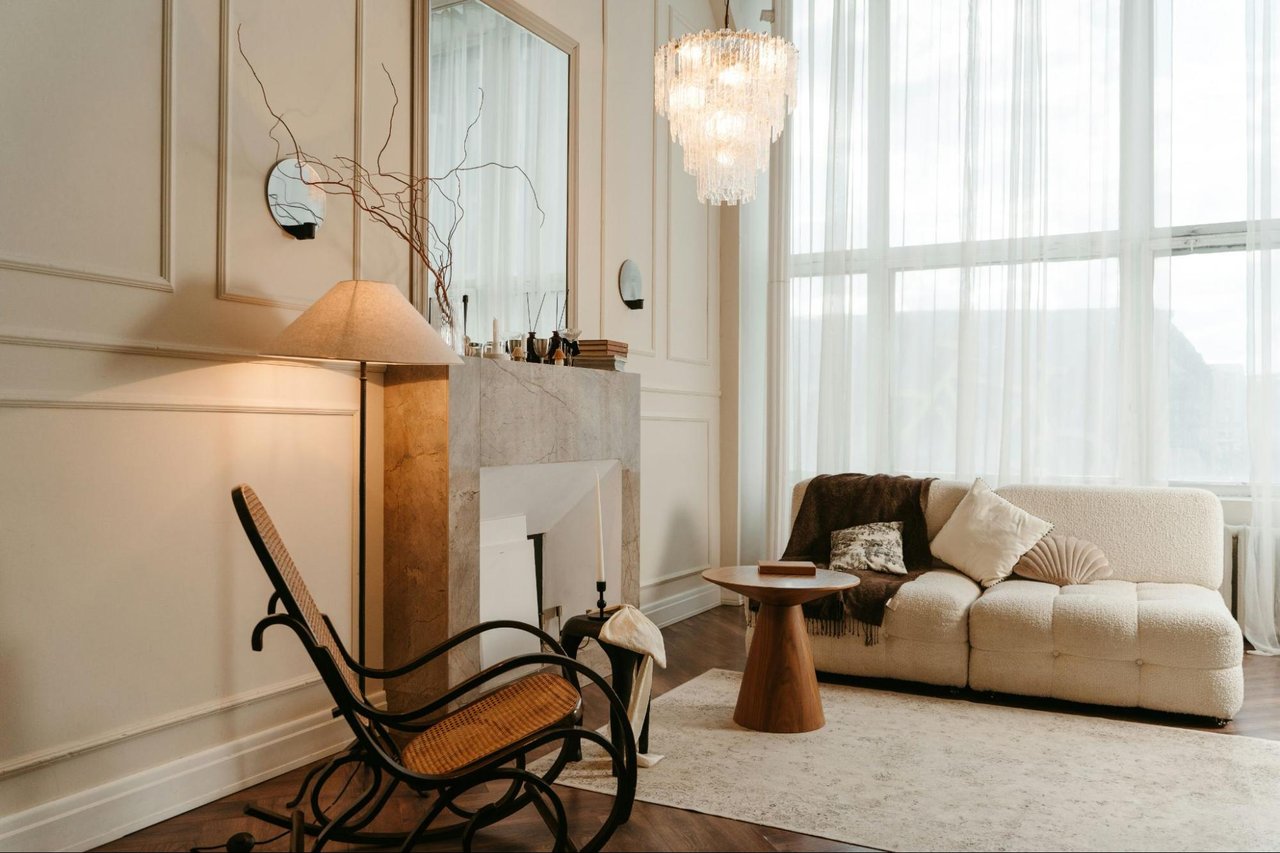
The single biggest opportunity in a smaller home is height, and it's the one most people underuse. When vertical space is treated intentionally (with tall ceilings, wall-mounted storage, and open sightlines between levels), a home that reads as compact on the floor plan can feel open to live in.
How to Use Height to Your Advantage
- Built-in shelving that runs floor to ceiling draws the eye up and creates substantial storage without consuming floor space
- Open staircases with glass railings or open risers allow light to move between levels and prevent the closed-off feel of enclosed stairwells
- Hanging pendant lights and wall sconces placed higher than standard creates the perception of taller ceilings
- Mirrors positioned opposite windows multiply brightness in a way that reads as more space, not just more light
Furniture Selection Is Everything
In a larger home, a furniture mistake is easy to absorb. In a smaller footprint, one wrong piece can throw off an entire room. The goal is pieces that earn their place, either by doing more than one job or by being exactly the right size for the space.
What to Look for When Furnishing a Smaller Home
- Sofas with exposed legs create visual breathing room; solid-base pieces that sit flush to the floor make a room feel heavier and smaller
- Dining tables that extend from a smaller everyday size to a full entertaining configuration are worth the investment
- Built-in window seats with storage beneath serve as seating, storage, and architectural detail all at once
- A consistent material palette across rooms makes a smaller home read as larger because the eye doesn't stop and reset at each threshold
Light and Openness as a Design Strategy
A smaller home that's dark feels small. The same footprint, handled with good light and an open layout, feels like a choice. In Buckhead, where many townhomes have rooftop terraces or south- and east-facing windows with city views, natural light is one of the most valuable assets a smaller home can have.
How to Prioritize Light in a Smaller Footprint
- Window treatments that stack completely clear of the glass let the full window work; anything that partially covers the glass cuts both light and perceived width
- An open floor plan between the kitchen and living area creates sightlines that make both rooms feel larger independently
- Light paint colors on ceilings bounce daylight deeper into the room and prevent the ceiling from visually pressing down
- Rooftop terraces function as an outdoor room and genuinely extend the livable footprint when furnished with the same intention as an interior space
FAQs
Is a smaller footprint home a good investment in Buckhead?
It can be a strong one. Buckhead townhomes in the $500,000 to $800,000 range attract consistent demand from buyers who want the neighborhood without the maintenance of a large estate, and new developments like the upcoming Veridian Buckhead signal a sustained appetite in the segment. Well-finished, thoughtfully designed smaller homes here tend to hold their value well.
What should I prioritize if I'm renovating a smaller home before selling?
Kitchen and bathroom finishes make the biggest impression, but the details that read most clearly in listing photos (consistent flooring, updated hardware, maximized natural light) often deliver stronger returns per dollar than structural changes. I'm happy to walk through a home before you make any decisions and flag where the investment will actually show up for buyers.
How do I know if a smaller footprint home will actually fit my lifestyle?
Think about how you actually live, not how much room you theoretically want. Most people find they use far less of a large home than they think, and that a well-designed smaller home accommodates daily life more comfortably than expected. I can help you work through that honestly before you start your search.
Contact Heather Cummings Today
Whether you're drawn to townhome living in Buckhead or simply ready to be more intentional about the space you're in, I'd love to help. With my background in interior design, I look at properties differently than most agents, and I bring that perspective to every search and every showing. Reach out to me,
Heather Cummings, and let's talk through what smaller footprint living could look like for you.
The right home isn't the biggest one available; it's the one that works hardest for the way you actually live. That's always been my design philosophy, and it shapes every recommendation I make.