The House Three Doors Down Might Be Setting Your Chamblee Home's Value
October 1, 2026
October 1, 2026
Why would a county tax assessment jump for a house that hasn't been touched since the porch got painted? In Chamblee, the answer usually isn't hiding in your own kitchen or roofline. It's sitting on a lot two or three doors away, behind a construction fence, where a 1950s ranch just came down and a four-bedroom new build went up in its place.
That single fact, an unrenovated ranch and a brand-new teardown replacement sharing the same block, is the starting point for understanding how value actually moves in this city. Chamblee's housing stock isn't one market. It's three, layered on top of each other on the same streets, and that overlap makes careful comparison important for county assessors, appraisers, and buyer's agents pricing a house.
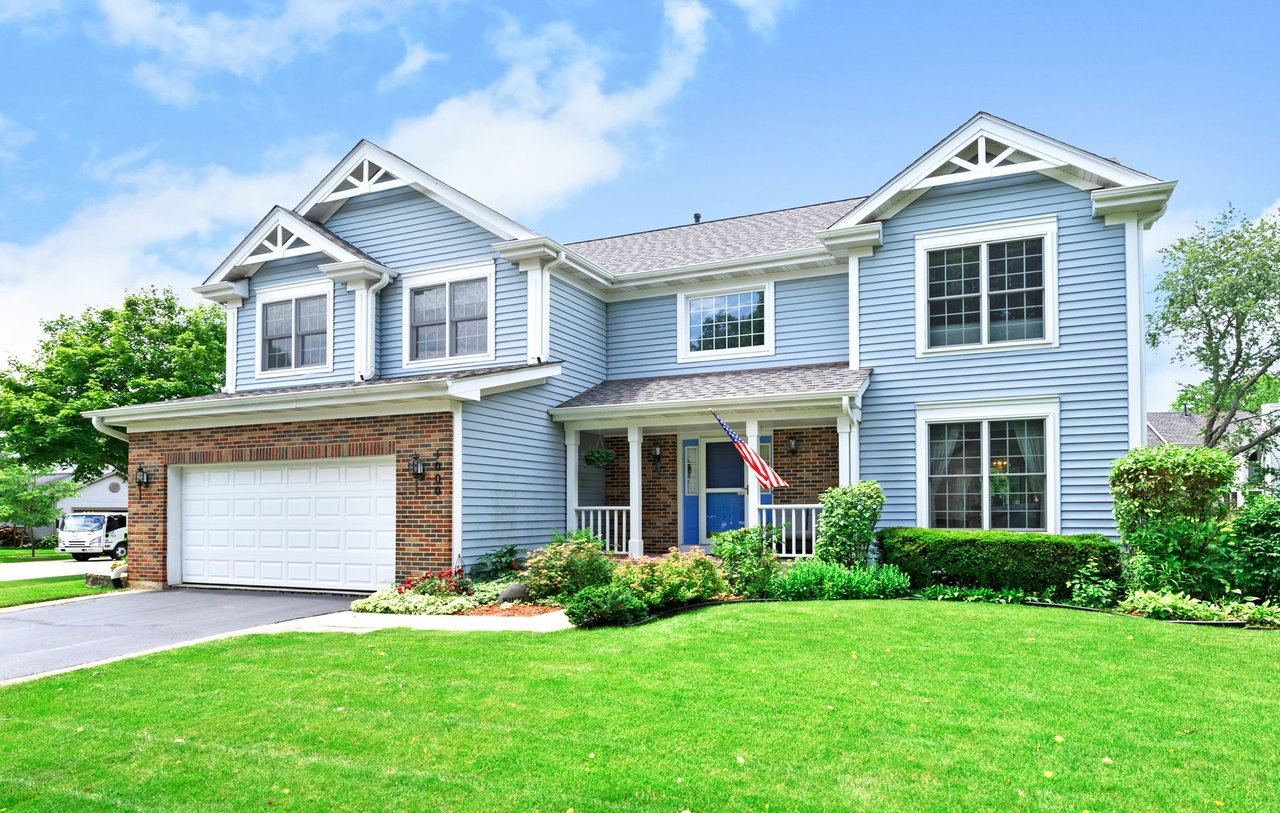
Walk a typical Chamblee block and you're likely to see three distinct products standing within sight of each other.
The original layer is the single-story brick or wood-frame ranch and bungalow, built mostly between 1940 and 1965, sitting on a quarter-acre lot with mature pines. Many have been updated over the past decade or so; plenty haven't. These homes typically run smaller, often in the 1,400 to 2,300 square foot range, and price well below newer product.
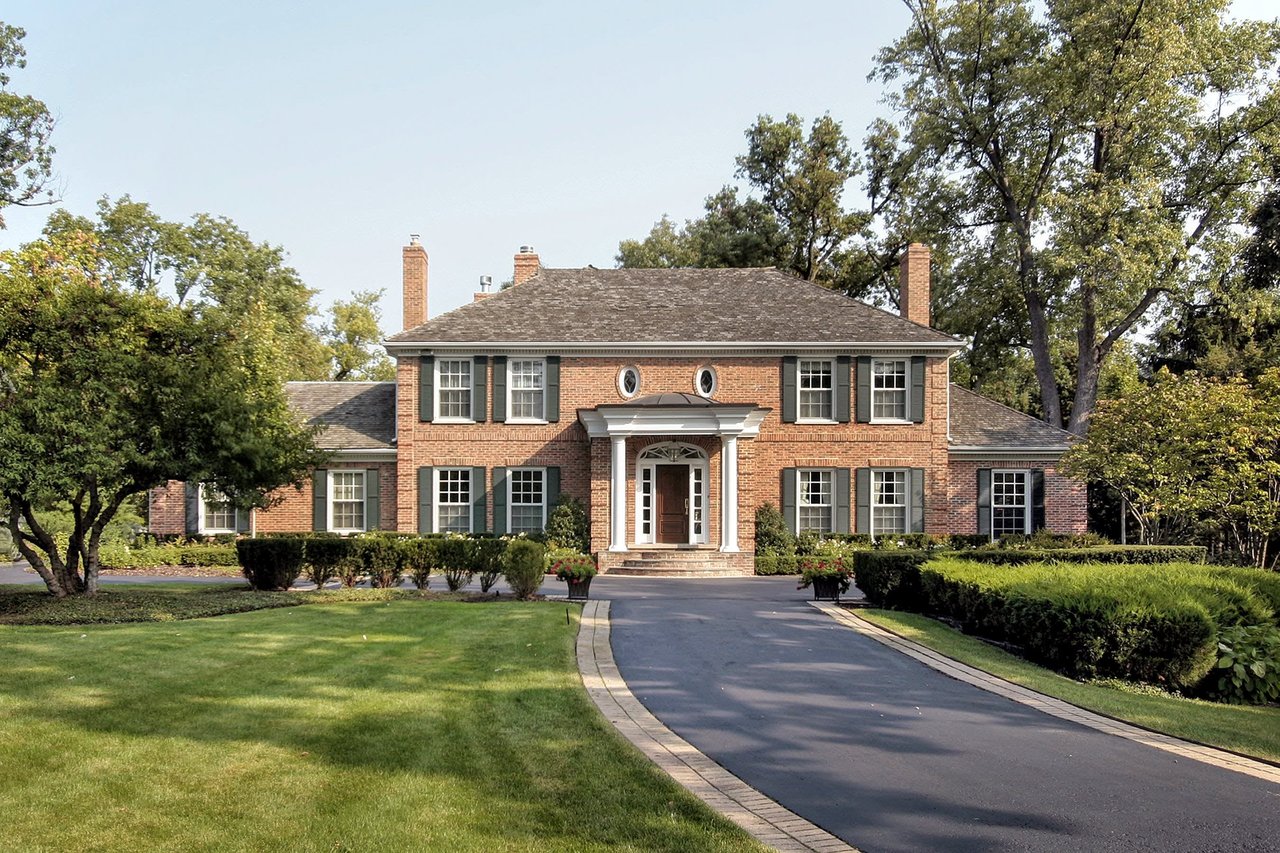
The second layer is what replaced the ranches that didn't survive: teardown-and-rebuild new construction from the last ten to fifteen years, usually four or five bedrooms, three-car garages, finished basements, sitting on the same footprint the smaller house used to occupy. These are meaningfully larger, often 3,000 to 4,500 square feet, and they price well above the original stock around them.
The third layer is townhome product from the 2010s and 2020s, concentrated near downtown and along the edges toward Peachtree Road and Brookhaven, occupying a different price band entirely.
None of that is unusual on its own. Plenty of Atlanta suburbs mix eras. What's unusual in Chamblee is how tightly packed the three layers are. A renovated ranch, an untouched original, and a five-year-old teardown rebuild can all sit within a hundred yards of each other, on lots that started out identical. That density is what makes comp selection genuinely hard here, and it's why the next section matters more in Chamblee than it would in a neighborhood built out in one era.
DeKalb County's mass appraisal system assigns value at scale, using recent sales to model what similar properties should be worth. In a city changing as fast as Chamblee, a property tax analysis published in July 2026 found the median home value at roughly $432,800, about 21 percent above the DeKalb County median, and reported that the digest may not fully reflect differences between renovated and original homes.
In practice, the distinction matters. An untouched 1962 ranch sitting near a recent teardown rebuild can get valued, in part, off the sale of that new construction, even though the two houses share nothing but a lot line and a similar footprint before the rebuild happened. DeKalb's effective property tax rate runs around 1.75 percent, among the higher rates in metro Atlanta, and the same July 2026 analysis put the median Chamblee household's property tax burden at close to 5.2 percent of income. When an assessment reflects a nearby sale for a different type of home, the resulting tax burden is more than an abstraction.
This cuts the other direction too. A homeowner who invested heavily in a renovation, new kitchen, primary suite addition, finished basement, can end up assessed closer to the original, unrenovated version of their own house if the model does not yet reflect the work. Either way, the lesson is the same. In a market with three products this close together, proximity is not a reliable stand-in for comparability, whether for a county assessment or a buyer's-agent offer analysis.
Chamblee's zoning code adds a second layer to this story, one that shapes buyer behavior before a single offer gets written.
The city's Unified Development Ordinance sets a specific threshold for how much renovation triggers additional review under its special zoning districts. Under the code's redevelopment provisions, once renovation costs reach 40 percent or more of a structure's fair market value, the project crosses from a simple renovation into redevelopment territory, subject to the fuller set of standards that govern demolition and major alteration in the city's established neighborhoods. For properties that also sit inside the city's Rail Trail Overlay district, crossing that same 40 percent line carries an additional obligation: building out that parcel's stretch of the Chamblee Rail Trail to the city's adopted plan.
That 40 percent figure is not a footnote. It's the line that separates two very different kinds of buyers who might be looking at your listing.
One buyer wants a light refresh: paint, flooring, maybe a kitchen update, staying comfortably under that threshold so their project stays a straightforward renovation. The other buyer is planning something closer to a full rebuild, and needs to know upfront whether their number puts them over the line, because crossing it changes both the review process and, for Rail Trail-adjacent parcels, the scope of what they're required to build.
A seller who understands this can read their own buyer pool more clearly. A house priced and positioned as a light-renovation opportunity attracts a different bidder than one priced as a teardown candidate, and the ordinance's 40 percent threshold is part of what determines which bucket a given renovation plan falls into. It's a detail worth confirming directly with the city's planning department before finalizing any renovation budget, since the exact standards attached to each overlay district can vary by parcel.
None of this changes the fundamentals of pricing a home. It does change which comps are worth trusting.
A few things worth keeping in mind when pricing a Chamblee listing this fall:
That last point is where a design-led approach earns its keep. Deciding whether a renovated ranch should be positioned to compete with nearby new construction, or priced and staged to appeal to a buyer planning their own light update, is a judgment call that benefits from someone who has actually walked the comps on both sides of that line. It's also the kind of decision that's easier to get right with a project-managed plan behind it, from staging through the closing table.
Does every renovation in Chamblee count toward the city's redevelopment threshold? The threshold applies to renovation, alteration, addition, restoration, or repair costs measured against a structure's fair market value, under the standards set out in the city's Unified Development Ordinance. Confirm scope and current fair market value with the city's planning department before committing to a renovation budget, since the applicable overlay can vary by parcel.
If my ranch's tax assessment looks high compared to similar unrenovated homes nearby, does that affect what I should list for? Not directly. An assessment is a county valuation tool, not a market price, and the two can diverge, especially in a digest where a mass appraisal model may have leaned on a nearby teardown sale. A listing price should be built from a comp set matched to your home's actual product tier, not from the assessment notice.
Pricing a Chamblee home well starts with knowing which of the three markets it's actually competing in. If you're weighing whether your house is a renovation story or a teardown story, and what that means for how it should be priced and presented, Heather Cummings can walk the comps with you before you decide.
This article is general information, not legal, tax or financial advice. Consult a qualified professional about your situation.

REALTOR®
Blending her knowledge of architecture and design with the soft skills she perfected in sales and customer service, Heather has established herself as an elite agent, specifically as an expert Atlanta Real Estate Agent, with a gift for concierge-style service and a heart for working with people navigating transitions and milestones. Her specialized services include luxury home marketing and assisting buyers who are moving to the Atlanta area from another country.
Search homes for sale, browse things to do, and discover neighborhood demographics in Atlanta's best neighborhoods.
Stay up to date on the latest real estate trends.

Your Guide to Buying a Brookhaven Home That Adapts as Your Family Grows.
What Today's Chamblee Homebuyers Want From a Home's Interior Design.
Reading a Chamblee Floor Plan Like a Designer Before You Make an Offer.

A Family's Guide to Buying a Home Near the Mercedes-Benz Atlanta Campus.

Using My Designer's Eye to Spot the Potential in a Dated Buckhead Home.

A Buying Guide for Dual-Income Families in Atlanta.
From conducting thorough consults to project-managing upgrades to personally staging homes and catering the marketing to the style of the house, Heather’s clients are treated to a guided, cared-for process in which they are a relationship, not a sale.