Preparing To Sell In Peachtree Corners With Design-Led Updates
May 28, 2026
May 28, 2026
If you are getting ready to sell in Peachtree Corners, good design can do more than make your home look beautiful. In a market where buyers have options, thoughtful updates can help your home feel move-in ready, photograph better, and stand out for the right reasons. The good news is that you do not need a full renovation to make a strong impression. With the right plan, you can focus on visible, high-impact improvements that support both presentation and resale. Let’s dive in.
Peachtree Corners is Gwinnett County’s largest city, with more than 42,000 residents and a location about 30 minutes northeast of Atlanta. Current market snapshots place Peachtree Corners around a $549,500 median listing price, while Gwinnett County and the broader metro Atlanta market show buyers are still active but not short on choices.
That matters when you sell. When inventory gives buyers more to compare, homes that feel polished and easy to move into often have an edge. Instead of relying on scarcity, you want to create a home that looks cared for, current, and well prepared from the first photo to the final walkthrough.
A design-led prep plan is not about spending everywhere. It is about spending where buyers see the most value right away.
In the South Atlantic region, the 2024 Cost vs Value report showed some of the strongest resale recovery for highly visible exterior projects. Steel entry door replacement led at 198.9% recouped, followed by garage door replacement at 189.5%, manufactured stone veneer at 150.2%, and fiber-cement siding replacement at 94%.
These numbers point to a simple strategy. If your goal is to protect your net proceeds, start with first-impression projects before you consider major structural changes or full-scale remodels.
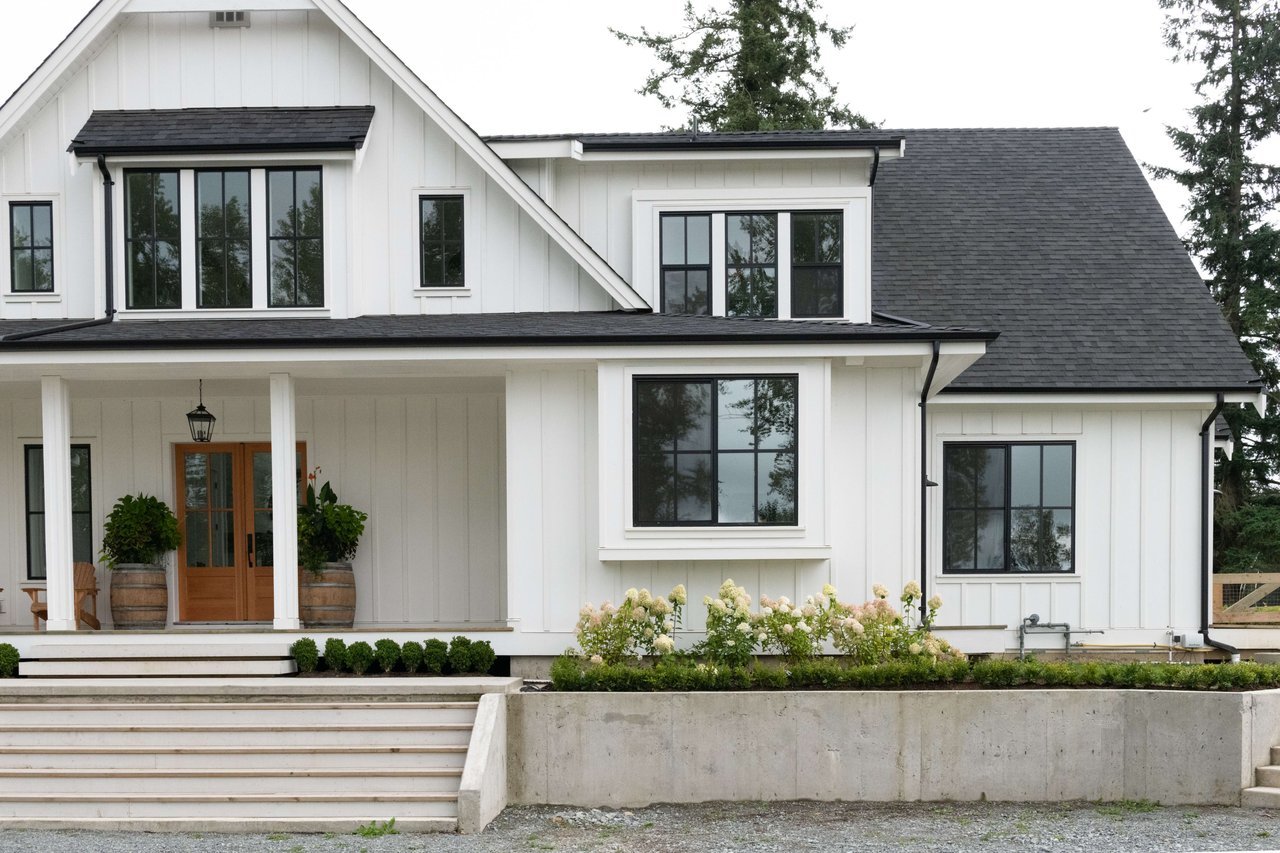
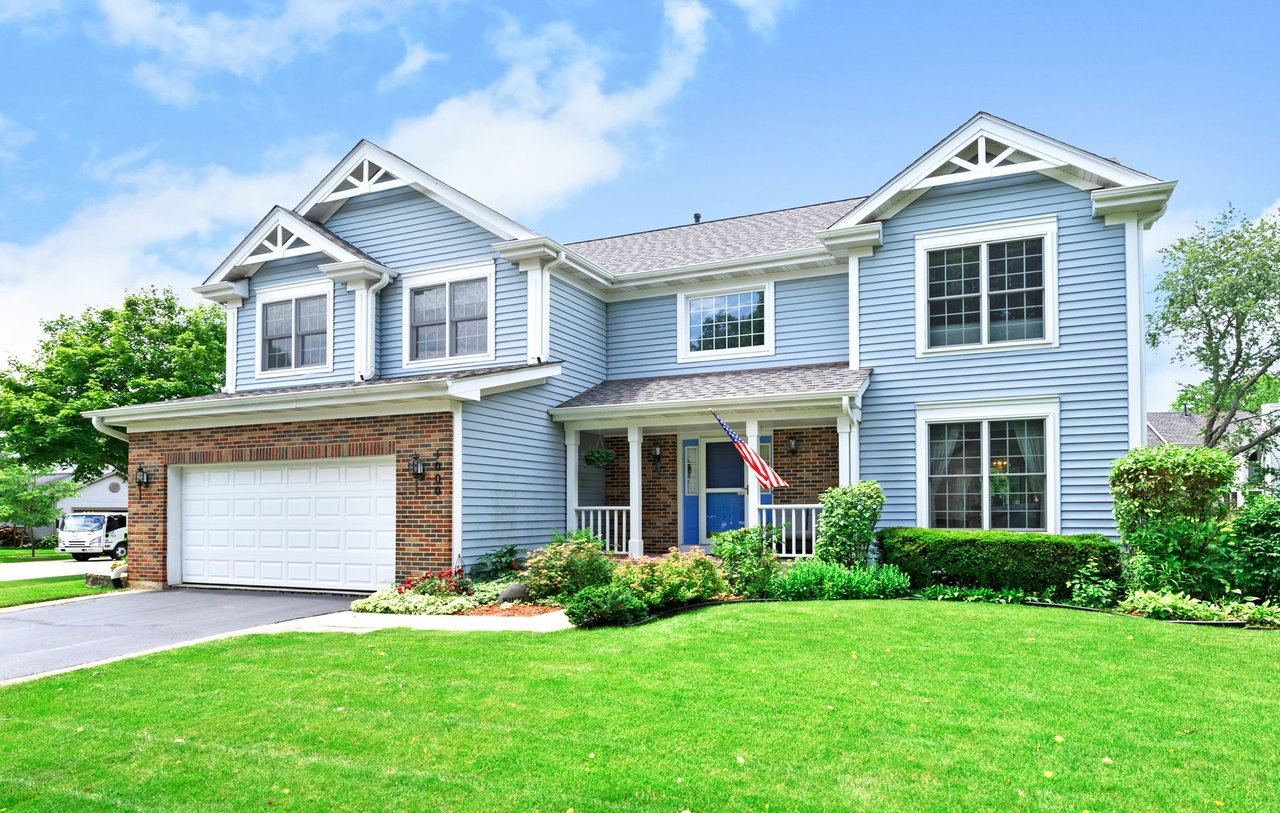
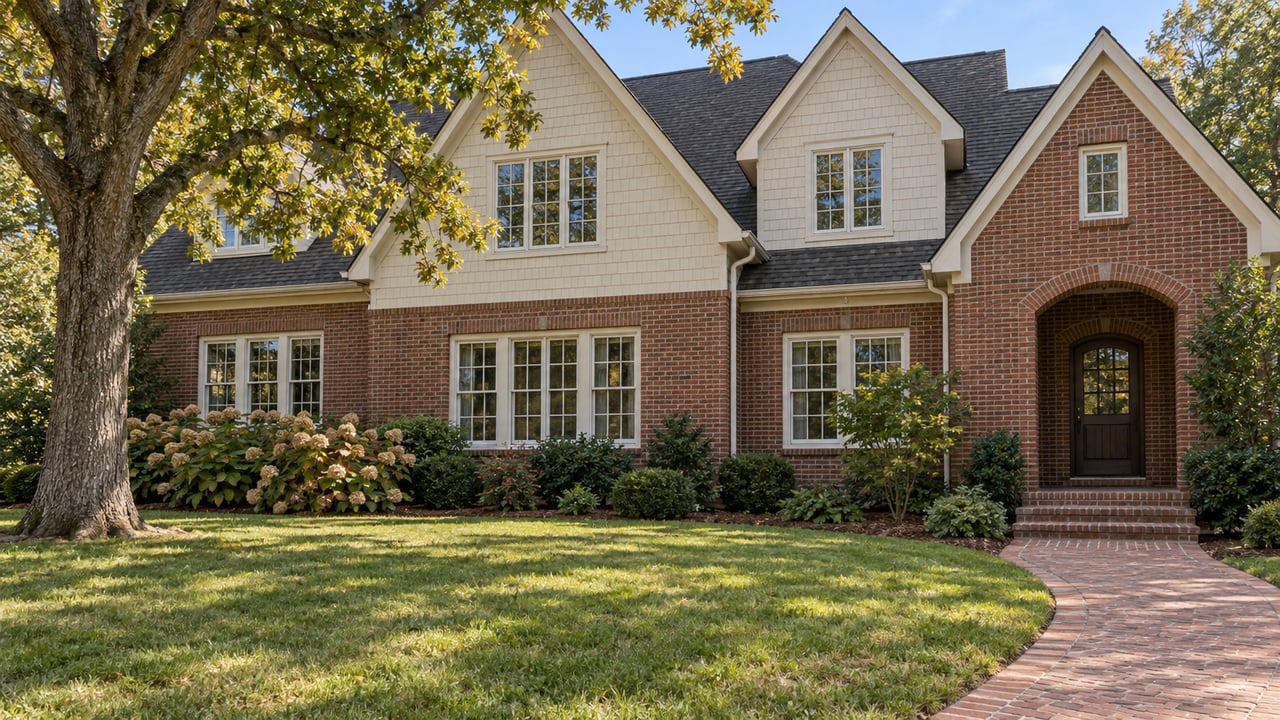
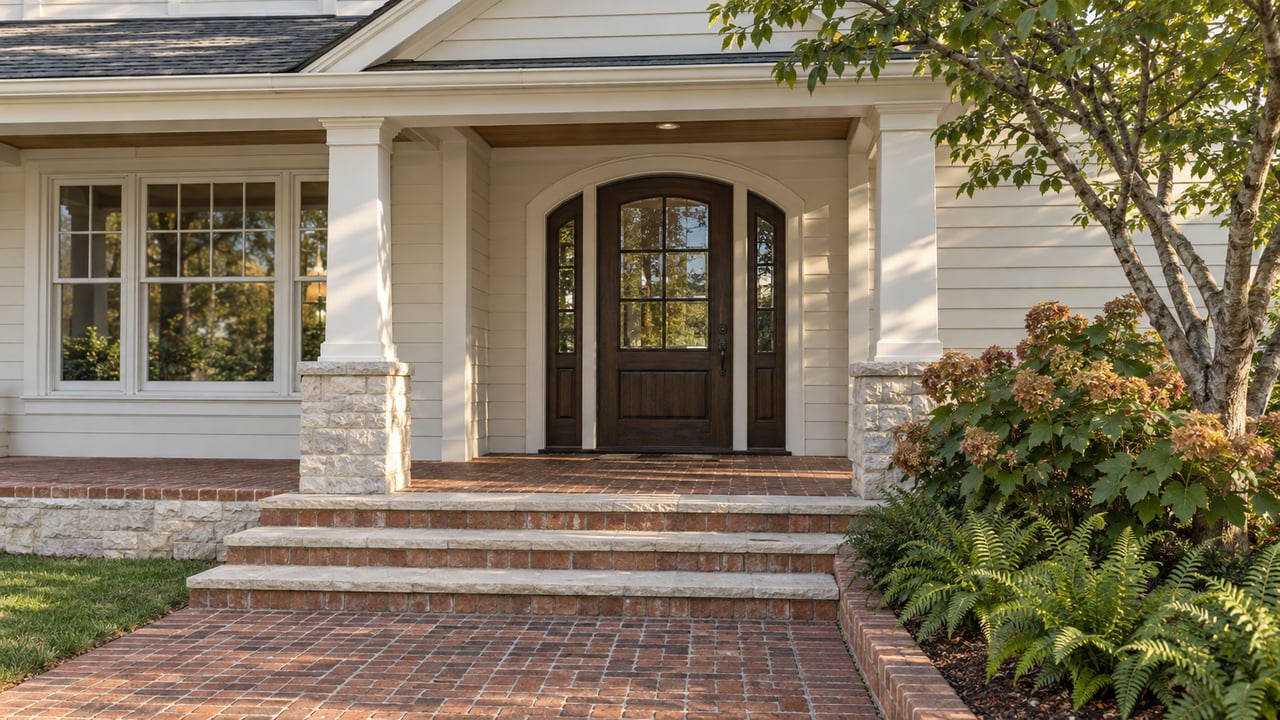
Your exterior sets expectations before a buyer even steps inside. A clean, updated front entry and tidy landscape can make your home feel more valuable and more cared for.
Simple curb appeal work is often one of the smartest places to begin:
In Peachtree Corners, this is not just about style. The city’s property maintenance guidance requires exterior surfaces and building components to be maintained, and yards should be free of debris and overgrown grass and weeds. That means exterior prep helps with both buyer perception and compliance.
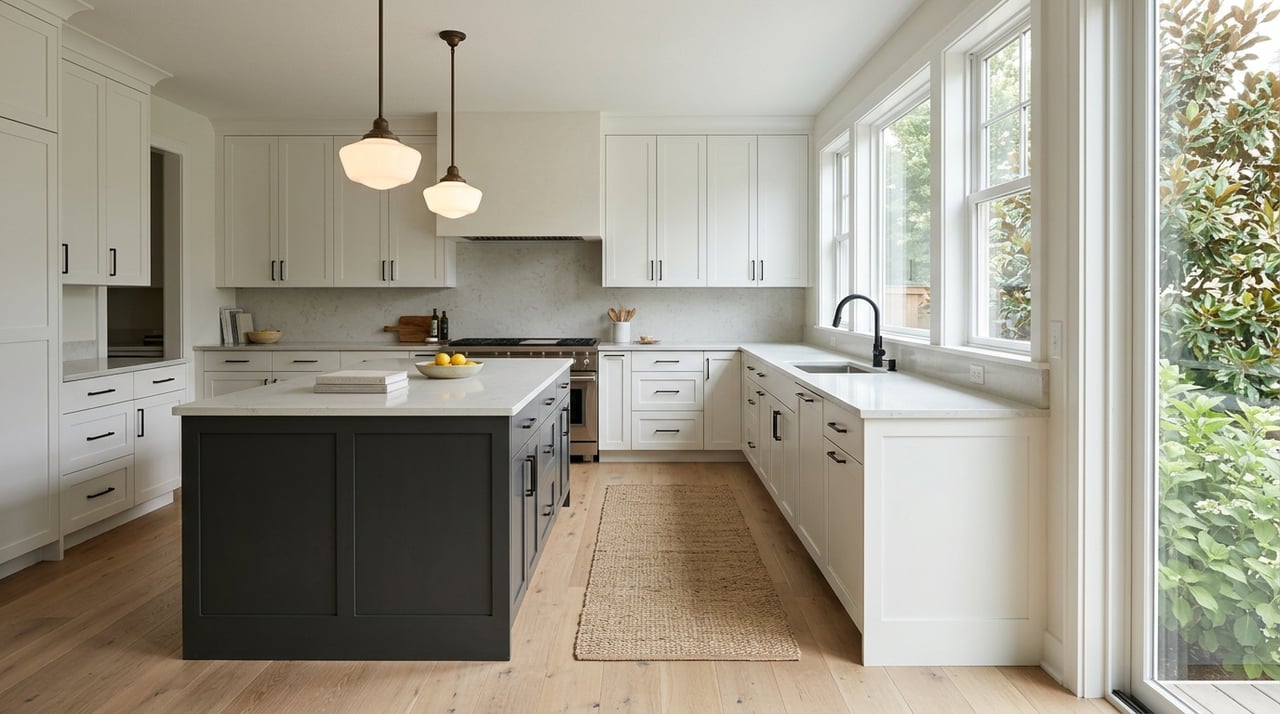
Inside the home, not every project deserves the same budget. If you are deciding between a full renovation and a targeted refresh, the data favors a lighter touch in many cases.
A midrange minor kitchen remodel in the South Atlantic region recouped 86.7% in the 2024 Cost vs Value report. That makes a selective kitchen update a stronger candidate than a full gut renovation if you are preparing to sell soon.
You do not always need to move walls or replace everything. A smart refresh can improve style, photos, and buyer confidence without stretching your timeline.
Consider updates like:
The goal is to help buyers see a clean, functional kitchen that feels current enough to enjoy right away.
Before you spend on larger upgrades, handle the basics that agents most often recommend. NAR’s 2025 staging data shows a clear pattern: sellers benefit most when they first improve what buyers immediately notice.
Among the most recommended prep tasks were decluttering, whole-home cleaning, curb appeal, professional photos, paint touch-ups, minor repairs, carpet cleaning, and depersonalizing. That list tells you something important. Buyers respond strongly to homes that feel clean, bright, and easy to imagine as their own.
Use this sequence to create momentum without overcomplicating the process:
This kind of plan works well because each step supports the next. A clean, edited home stages better, and a well-staged home performs better in photos.
One of the biggest mistakes sellers make is trying to treat every room equally. Most homes do better when staging dollars go to the spaces buyers care about most.
According to NAR’s 2025 Profile of Home Staging, buyers’ agents ranked the living room as the most important room to stage, followed by the primary bedroom and kitchen. Sellers’ agents most commonly staged the living room, primary bedroom, dining room, and kitchen.
If you want the strongest visual return, focus on these spaces first:
Less critical spaces can still be tidy and lightly styled, but they do not need the same attention. That is especially helpful if you are trying to prep efficiently.
The same NAR report found a median spend of $1,500 for professional staging and $500 when sellers’ agents handled staging themselves. It also found that some agents saw offered value increase and many reported shorter time on market. Even when the impact varies by home, the pattern supports thoughtful staging as part of a broader presentation strategy.
Photos are not the final step to squeeze into the schedule. They are one of the main reasons your prep work matters.
NAR’s 2025 data shows that photos were highly valued by clients, and that tracks with how buyers shop. Your listing usually gets its first showing online, so your home needs to read clearly and attractively in images before a buyer ever books a tour.
That is why design-led prep should always consider how rooms will look on camera:
When the home is edited well, photography can highlight the space, natural light, and flow without distraction.
If you are considering interior work before listing, timing and permitting matter. Peachtree Corners requires building permits for new structures, additions, and structural alterations. Permits are also required for electrical, mechanical, plumbing, interior remodel, and basement finish work.
The city also requires licensed contractor documentation and separate subcontractor permits before interior construction begins. That means even well-intended pre-sale projects can create delays if you start work without understanding the local requirements.
If a project changes structure, systems, or finished interior space, check permit requirements before starting. Cosmetic work like painting, cleaning, landscaping, and many basic curb appeal improvements is usually easier to manage as part of normal maintenance.
This is one reason many sellers benefit from a design-first strategy. You can often make the home look significantly better through presentation, repairs, and selective updates without taking on a larger permit-driven project so close to list date.
If you hope to list in spring, do not wait until the last minute. Realtor.com’s 2026 Best Time to Sell report identified April 12 through 18 as the strongest listing week nationally and for the Atlanta metro area.
Historically, listings in that Atlanta-area window showed 6.7% higher listing prices compared with the start of the year, 18.7% more views, and eight fewer days on market than an average week. At the same time, many sellers take one month or less to get ready, which can create a rushed and reactive process.
A stronger approach is to back into your list date and create a realistic schedule.
8 to 12 weeks before listing
4 to 6 weeks before listing
1 to 2 weeks before listing
This timeline gives you room to make better decisions and avoid rushed spending.
In Peachtree Corners, a strong sale often comes from discipline as much as design. Buyers are comparing condition, presentation, and ease, so your best move is usually to improve what they see first and what helps them picture a smooth move.
That means focusing on curb appeal, selective cosmetic updates, clean and edited interiors, strategic staging, and strong photography. It is a practical approach, but it also creates the elevated feel that helps a home stand out.
If you want a design-led selling plan that balances beauty, budget, and timing, Heather Cummings can help you prepare your home with a polished, project-managed approach.

REALTOR®
Blending her knowledge of architecture and design with the soft skills she perfected in sales and customer service, Heather has established herself as an elite agent, specifically as an expert Atlanta Real Estate Agent, with a gift for concierge-style service and a heart for working with people navigating transitions and milestones. Her specialized services include luxury home marketing and assisting buyers who are moving to the Atlanta area from another country.
Search homes for sale, browse things to do, and discover neighborhood demographics in Atlanta's best neighborhoods.
Stay up to date on the latest real estate trends.

Your Guide to Buying a Brookhaven Home That Adapts as Your Family Grows.

What Today's Chamblee Homebuyers Want From a Home's Interior Design.
Reading a Chamblee Floor Plan Like a Designer Before You Make an Offer.

A Family's Guide to Buying a Home Near the Mercedes-Benz Atlanta Campus.

Using My Designer's Eye to Spot the Potential in a Dated Buckhead Home.

A Buying Guide for Dual-Income Families in Atlanta.
From conducting thorough consults to project-managing upgrades to personally staging homes and catering the marketing to the style of the house, Heather’s clients are treated to a guided, cared-for process in which they are a relationship, not a sale.