By Heather Cummings
Historic homes in Druid Hills don't just have square footage — they have stories. The original hardwood floors, plaster walls, craftsman millwork, and proportions that feel genuinely human are exactly what draw buyers to these neighborhoods in the first place. But decorating and updating a historic home well is harder than it looks, and the wrong choices can quietly erase the very character that makes the property special.
Key Takeaways
- The architecture should drive every design decision, not the other way around
- Lighting is the single highest-impact update you can make without touching the bones of the home
- Mixing old and new works beautifully when it's intentional — and poorly when it isn't
- Kitchens and baths can meet modern standards without sacrificing period character
Start With the Architecture, Not the Trend
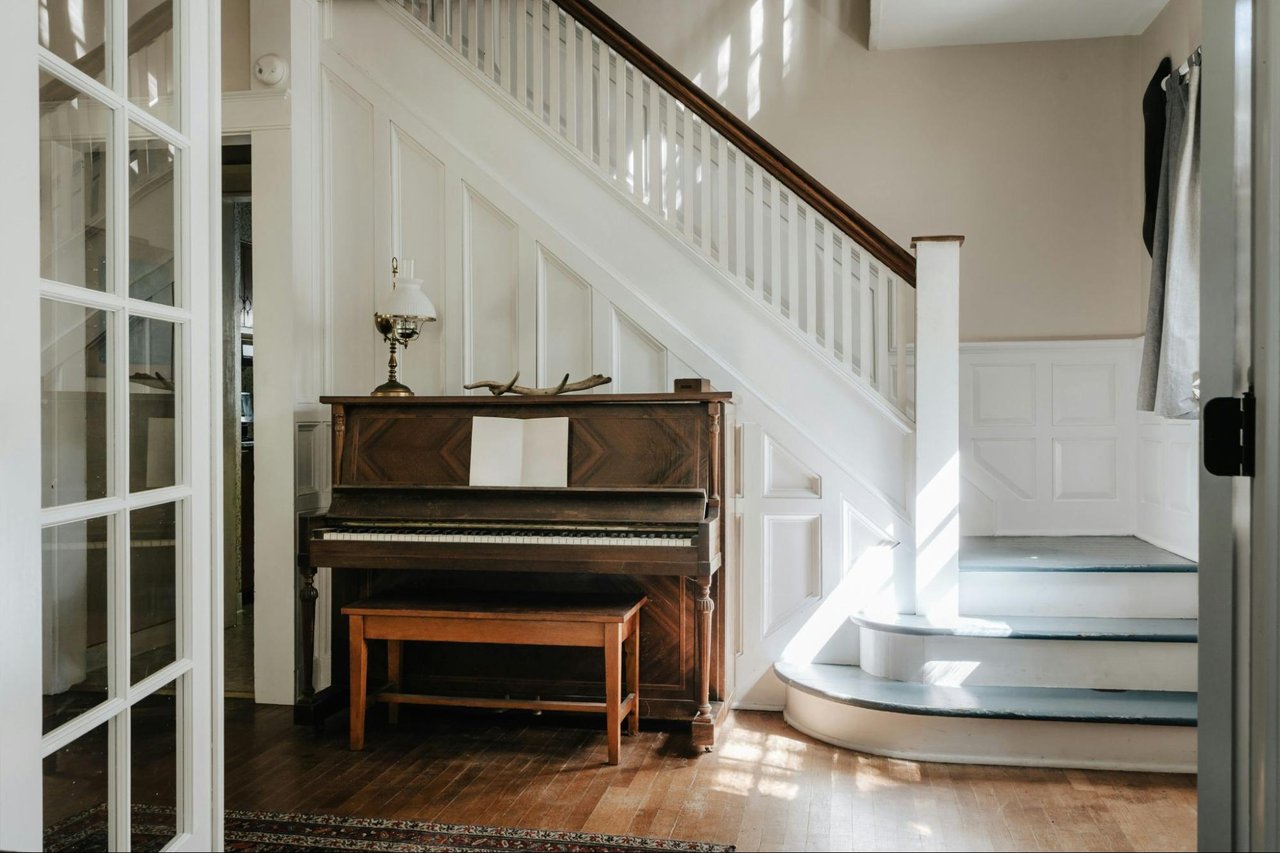
The most successful historic interiors are the ones where the design responds to the architecture rather than fighting it. Before making any decorating decisions, spend time studying what the home is actually telling you. Ceiling height, trim profile, floor material, and window style are all design instructions — if you listen to them, the rest gets easier.
The Features Most Commonly Removed by Mistake
- Built-in cabinetry and breakfast nooks: removing them works against you at resale
- Original plaster walls: replaced with drywall far too often, and the acoustic and textural difference is immediately noticeable
- Period millwork stripped during a renovation and never properly replaced — baseboards and door casings that took craftsmen days to install get pulled in an afternoon
- Original tile in kitchens and baths: intact period tile is a selling point, not something to gut
Mixing Old and New Without Contradiction
The most interesting interiors in these historic homes aren't strict period recreations. They're spaces where vintage and contemporary elements coexist with a clear point of view — a clean-lined modern sofa against original craftsman woodwork, or a simple marble countertop in a kitchen that still has its original built-in hutch. The contrast is the point.
What doesn't work is mixing without intention. When every room pulls from a different era without a connecting thread, the home feels unresolved, and buyers who are drawn to Druid Hills’ historic streets can sense it immediately.
Where Contemporary Pieces Tend to Land Best
- Living rooms with high ceilings and original millwork — the bones are strong enough to anchor modern furniture without competition
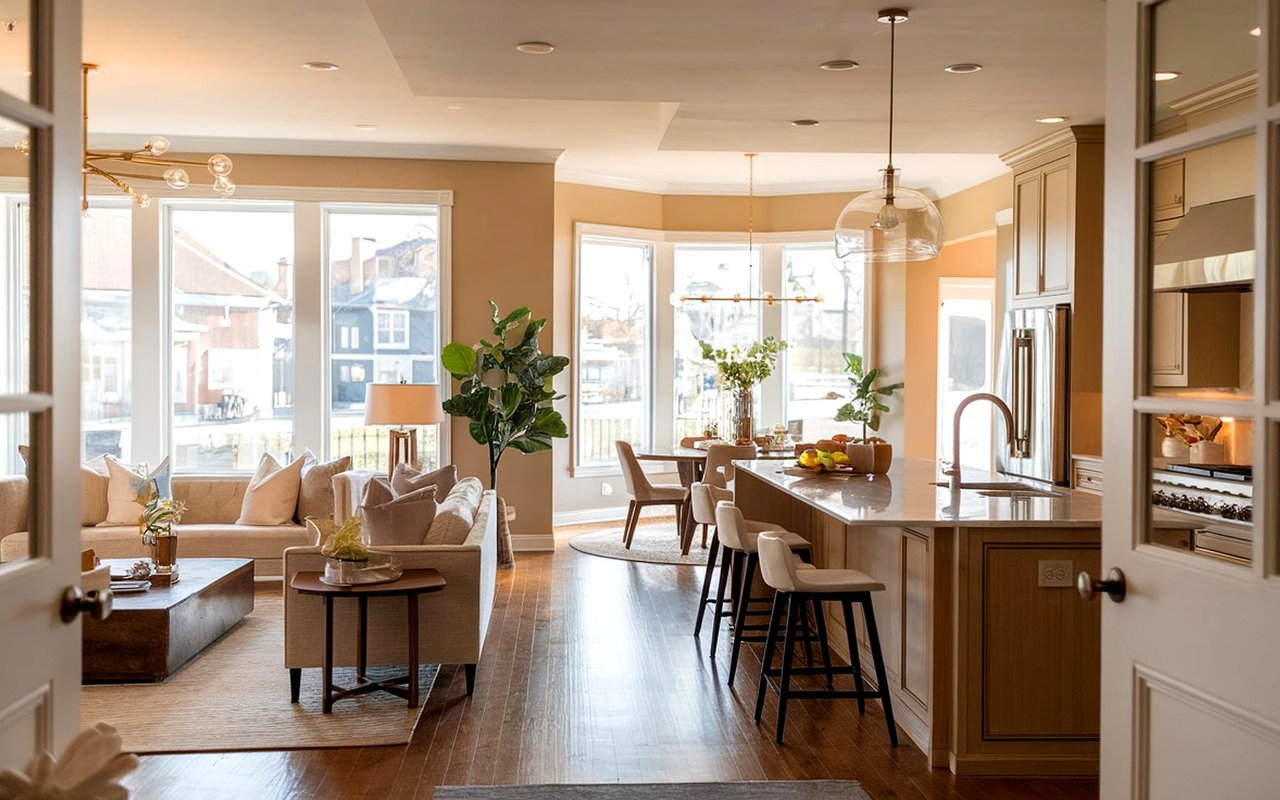
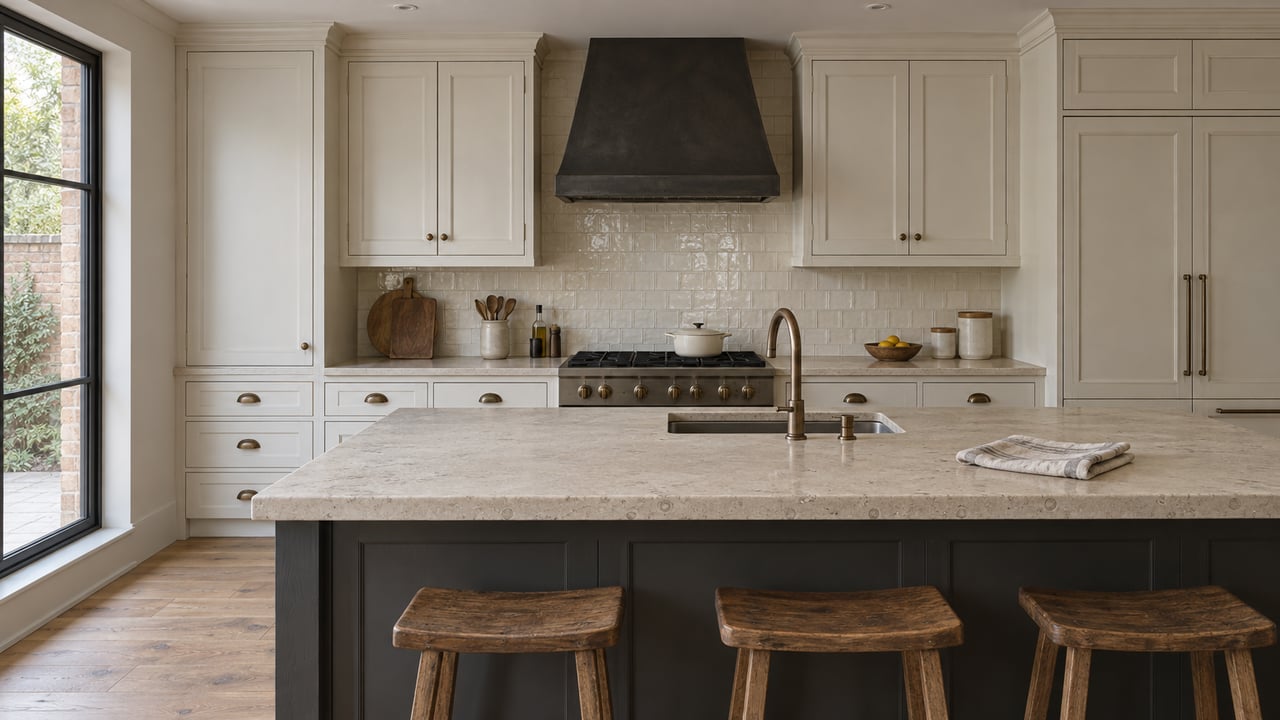
- Kitchens, where contemporary appliances and cabinetry are expected, and period character can come through in hardware, tile, and fixtures
- Primary bedrooms, where a simple modern bed frame against original hardwoods reads as quietly confident
- Dining rooms with original built-ins — a clean, modern table lets the architecture be the centerpiece
Lighting Is Where the Biggest Gains Are
Most historic homes in Druid Hills were built long before anyone thought carefully about artificial lighting, and it shows. Rooms that feel dark and dated in their current state often have nothing wrong with them structurally; they just need better light. This is one of the most impactful updates you can make, and one of the least disruptive.
The goal isn't to modernize aggressively. It's to find fixtures that feel native to the era while functioning at today's standards. Schoolhouse pendants, unlacquered brass sconces, and woven shades all thread that needle well in craftsman and Tudor homes.
Specific Swaps That Make an Immediate Difference
- Flush-mount builder fixtures in hallways and bedrooms: swap for a simple pendant or semi-flush in bronze or aged brass
- Overhead fluorescent kitchen lighting: under-cabinet LED strips plus a pendant over the sink transforms the room without touching a wall
- Dated dining chandeliers: one of the first things buyers notice and one of the easiest things to change before listing
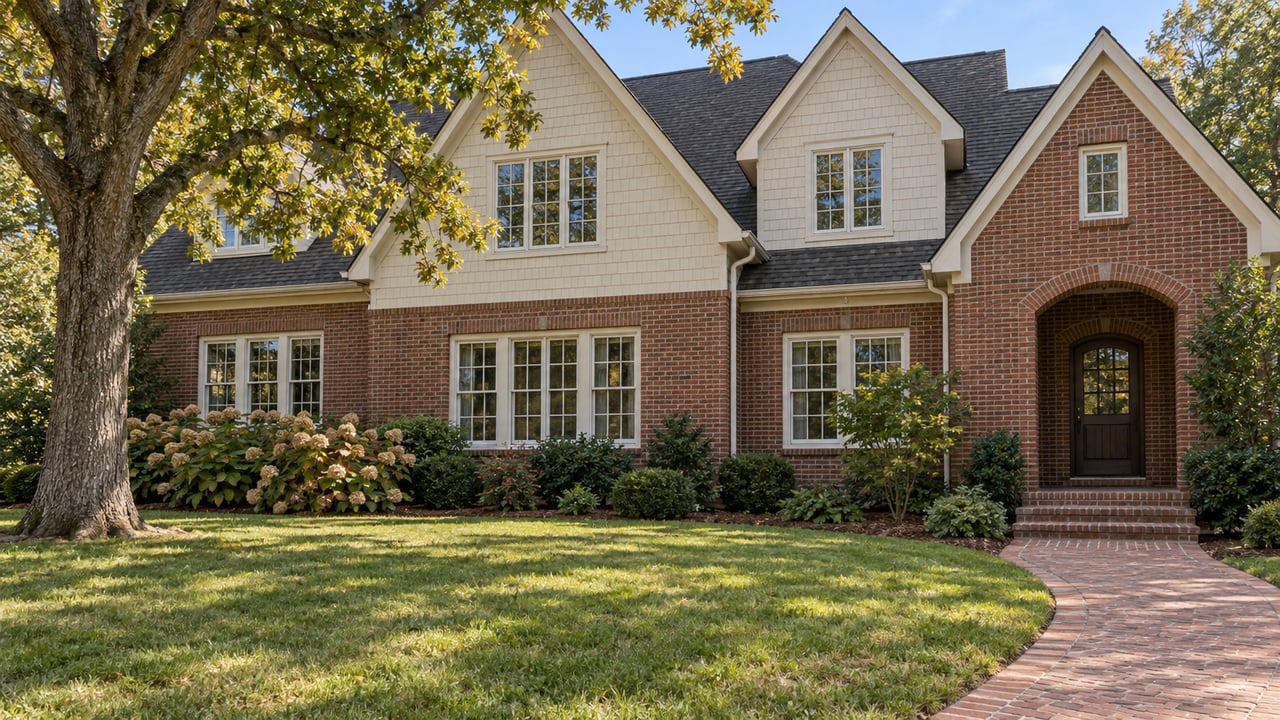
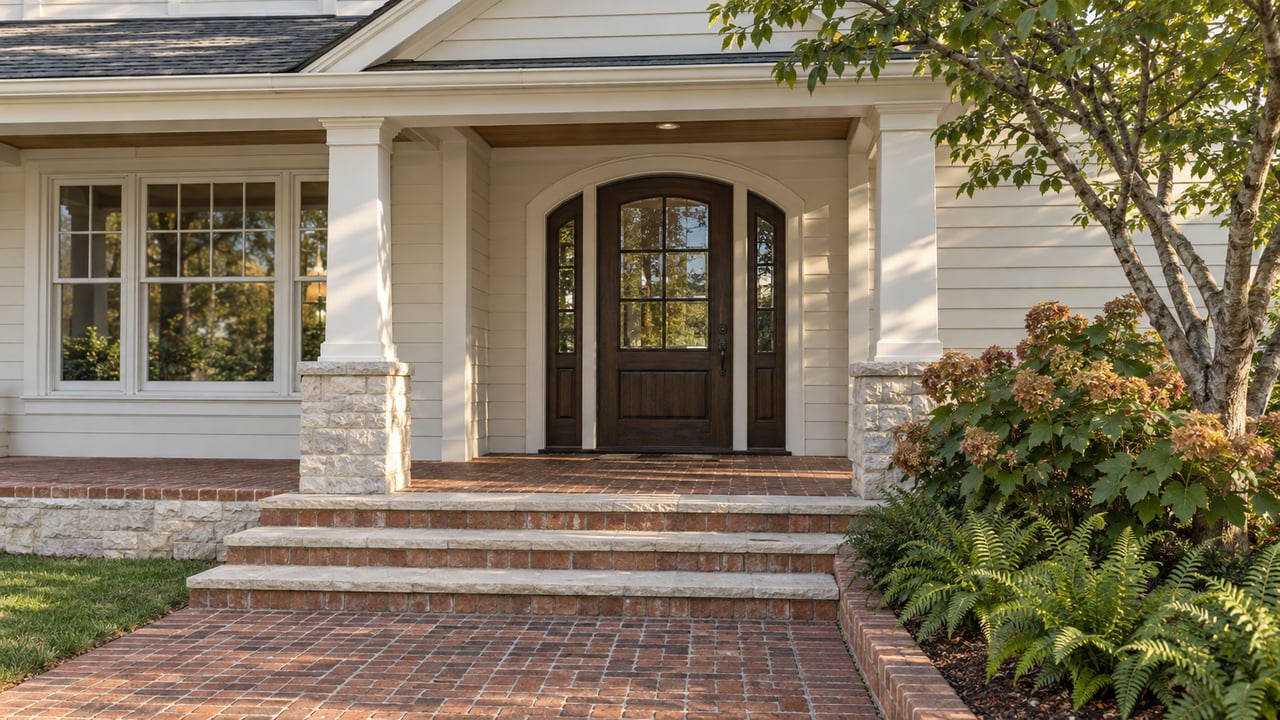
- Exterior entry lighting: period-appropriate lanterns at the front door change first impressions and photograph dramatically better
Kitchens and Baths: Modern Function, Period Soul
This is where historic homeowners wrestle most, and where I see the most well-intentioned renovations go wrong. The homes that hold their value best in Druid Hills are the ones where the kitchen and bath feel current without feeling like they belong in a different house entirely.
Details That Signal Period-Appropriate
- Unlacquered brass or oil-rubbed bronze fixtures throughout — chrome reads as a different era and a different price point
- Beadboard paneling on lower bathroom walls: inexpensive, historically accurate, and immediately effective
- Open kitchen shelving in reclaimed or stained wood — feels deliberate rather than cost-driven
- Small-scale floor tile: hex, penny, or black-and-white patterns that were standard in pre-war construction and still hold up beautifully in photos
FAQs
What is the difference between Druid Hills and North Druid Hills?
They share a name but are distinct places. Druid Hills is a historic planned community designed by Frederick Law Olmsted and developed primarily between 1905 and 1936, with grand estates, linear parks along Ponce de Leon Avenue, and a nationally recognized architectural legacy. North Druid Hills is a separate census-designated place in unincorporated DeKalb County that developed largely after World War II — more suburban in character, with different housing stock and no historic district designation.
Does renovating a historic home in Druid Hills affect its resale value?
Done thoughtfully, renovations consistently add value, especially in kitchens, bathrooms, and outdoor spaces. What hurts value is work that erases original character: vinyl windows replacing original wood, hardwoods pulled up for tile, and additions that clash architecturally. Buyers paying a premium for historic streets are paying specifically for what makes these homes different, and they'll discount a home that no longer has it.
Should I paint the original woodwork in my Druid Hills home?
It depends on the style. Painted millwork is historically accurate in many colonial and traditional homes. In craftsman homes, the woodwork is typically meant to be seen in its natural finish; it's a design feature, not just trim. I always advise clients to research the original intent before making an irreversible decision.
Contact Heather Cummings Today
Historic homes in Druid Hills are unlike anything else in the Atlanta market, and they deserve an agent who understands what makes them worth buying and worth protecting. If you're considering buying or selling in Druid Hills or the surrounding area, I'd love to be part of that conversation.
Get in touch with me,
Heather Cummings, and let's talk about what your home is worth and how to make the most of it.